

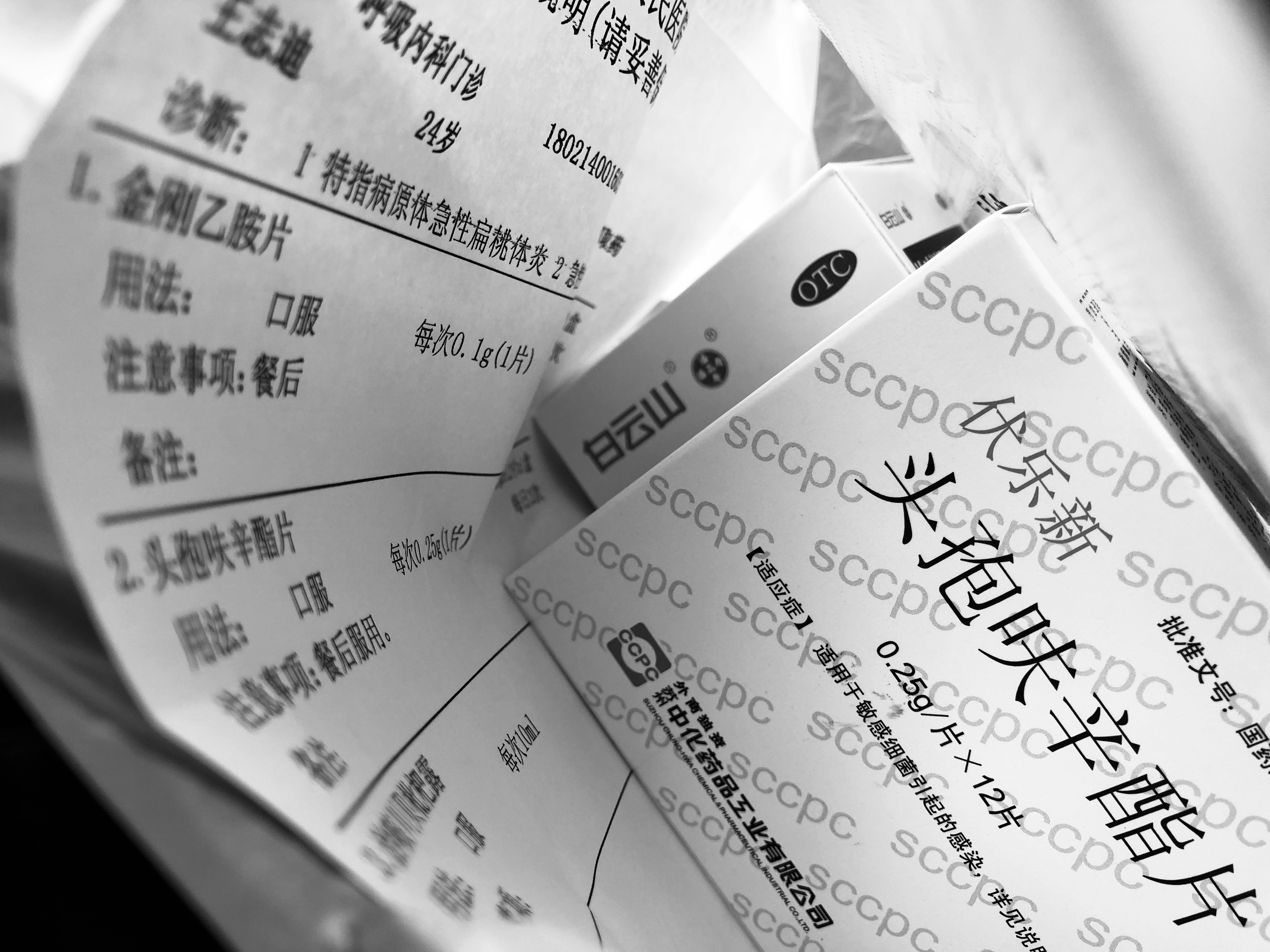
Understanding the Logistics of Medicine Export
Exporting medicines carries inherent logistical challenges that can significantly impact the efficiency and effectiveness of the process. One of the primary obstacles in the medicine export landscape is the transportation method selected, which varies according to the nature of the pharmaceuticals. Temperature-sensitive medications, for example, necessitate refrigerated transport to maintain the integrity of these products throughout their journey. This can complicate logistics, requiring exporters to establish partnerships with carriers that possess the appropriate capabilities and equipment.
Another critical aspect of medicine export logistics is compliance with stringent packaging requirements. Proper packaging is essential not only for safety and efficacy but also for adherence to regulatory standards across different countries. Exporters must familiarize themselves with the packaging protocols mandated by destination countries to prevent damage during transit and ensure compliance with customs regulations. Failure to comply can lead to delays or, in severe cases, rejection of shipments.
Moreover, the supply chain complexities involved in medicine exportation can pose significant challenges. The process often entails coordination between various stakeholders, including manufacturers, logistics companies, and regulatory bodies. Each participant in the supply chain must align their processes to ensure a seamless flow of information and materials, which can often be hindered by varying standards and requirements. Effective communication and strategic planning are imperative in managing these complexities and minimizing delays.
Furthermore, managing timelines is crucial when exporting pharmaceutical products. The nature of medicine often requires adherence to strict delivery schedules, particularly when dealing with life-saving drugs. Developing a robust logistical framework that incorporates careful planning and contingency measures is vital to ensure timely delivery, thereby mitigating risks associated with delays. In addressing these logistical challenges, stakeholders can enhance the efficiency of medicine exports, ultimately benefiting both the exporters and the recipients of these essential products.
Navigating Regulatory Compliance in Different Markets
Exporting medicines to different international markets presents a unique set of challenges, primarily due to the stringent regulations that govern the pharmaceutical industry. Each country invests considerable effort into ensuring that the medicines distributed within their borders meet certain safety, efficacy, and quality criteria. In the United States, adherence to the Food and Drug Administration (FDA) regulations is paramount. These regulations encompass the approval processes for drug products, manufacturing practices, and labeling requirements, which must be carefully followed to ensure compliance before international distribution.
Beyond the FDA, exporters must also pay attention to international standards laid down by organizations such as the World Health Organization (WHO). The WHO provides comprehensive guidelines for good manufacturing practices (GMP), which manufacturers must comply with to ensure the quality of medicines. Failure to adhere to these regulations can result in significant legal repercussions and loss of market access.
Moreover, individual countries may impose their own compliance requirements that vary significantly from one jurisdiction to another. For instance, the European Union has specific regulations regarding the marketing authorization of medicines that differ from those in the U.S. It is crucial for exporters to familiarize themselves with the regulations of the target market, including any unique certification requirements, tariffs, and licensing procedures that may impact their operations.
Staying updated with these regulatory changes can be challenging. Exporters should consider leveraging resources such as industry associations, legal advisors specializing in international trade law, and government export promotion agencies that provide valuable insights. Engaging in continuous education about evolving legal frameworks is essential for timely compliance and successful medicine export.
Maintaining the cold chain for temperature-sensitive medicinal products is critical to ensuring product integrity and efficacy during export. Cold chain management involves a series of interconnected processes that require precise temperature control, particularly for pharmaceuticals that can be significantly affected by fluctuations in temperature. Any deviation from the recommended temperature range can compromise the active ingredients, leading to diminished therapeutic effects or complete product failure.
One of the primary challenges in managing the cold chain is the variability of transportation conditions. Products often experience unexpected temperature changes during transit due to external factors like weather fluctuations, handling practices, and storage conditions at various stages of the supply chain. To mitigate these risks, it is essential to implement robust temperature monitoring systems. Continuous temperature data loggers should be used for real-time monitoring throughout the transportation process, allowing for the immediate identification of any temperature excursions. This proactive approach ensures that corrective actions can be taken promptly, minimizing potential product exposure to adverse conditions.
Equally important is the selection of appropriate packaging. Insulated and temperature-controlled packaging systems play a vital role in maintaining product temperature during shipping. Packaging should be designed to withstand both the internal conditions and external challenges of transportation. Additionally, incorporating absorbent materials or phase change materials can help regulate temperature by absorbing heat during warm conditions and releasing it when temperatures drop.
Furthermore, modern technology solutions can enhance cold chain management. Advanced tracking systems, including GPS and RFID technology, allow for comprehensive visibility throughout the shipping process. This enables stakeholders to monitor not just temperature but also location, providing invaluable data that can inform decisions and ensure compliance with regulatory standards. In essence, by combining effective monitoring practices with appropriate packaging and leveraging technological advancements, businesses can successfully meet the challenges posed by cold chain requirements in the export of temperature-sensitive medicines.
The Importance of Proper Documentation in Medicine Export
In the highly regulated field of pharmaceutical exports, proper documentation is paramount. It serves not only as a legal requirement but also as a critical component that ensures the safe, compliant, and efficient movement of medicines across borders. Various types of documentation are required throughout the export process, each playing a unique role in safeguarding public health and fulfilling legal obligations.
Key documents include export permits, which authorize the shipment of medicines to foreign countries. These permits vary depending on the destination country and the type of medication. Additionally, certificates of analysis are essential as they verify that the products meet all safety and efficacy standards established by regulatory authorities. Commercial invoices must also be issued, detailing the value of the goods, description, and terms of sale, which are crucial for customs clearance.
To avoid common pitfalls associated with documentation, it is advisable to thoroughly understand the specific requirements of both the exporting and importing countries. One effective strategy is to maintain an organized checklist that tracks all necessary documents required at each stage of the export process. Engaging with regulatory consultants or legal experts specializing in pharmaceutical exportation can further augment compliance, minimizing risks associated with documentation errors.
It is also essential to ensure that all documentation is completed accurately and submitted timely to avoid delays that could result in financial loss or legal ramifications. Furthermore, keeping copies of all documentation is prudent, as it serves as a reference in case of disputes or inquiries from regulatory bodies. By emphasizing the importance of proper documentation, exporters can better navigate the complexities of medicine export and contribute to the overall integrity of international pharmaceutical trade.